


The Japanese Kitchen Cloth That Works Better Because It’s Built Differently
Shirayuki uses an 8-layer kaya weave inspired by traditional Japanese mosquito netting: light, breathable, absorbent, and quick-drying between uses.
See The Shirayuki Difference →A kitchen cloth is easy to overlook.
You reach for it after rinsing dishes. You use it to wipe the counter. You grab it when someone spills something. You hang it back up and expect it to be ready again the next time you need it.
But because you reach for it every day, it quietly affects how your whole kitchen feels.
When a cloth stays damp, starts to smell sour, pushes water around, or makes your hands feel less clean after using it, the problem is not always your cleaning habits.
Most kitchen towels are made to hold moisture. Shirayuki cloths are made to absorb quickly, wring nearly dry, and release moisture back into the air.
"Once you wet it and wring it out, it cleans, wipes, and absorbs better than ANY cloth I have ever tried."
Best value: build a full rotation and unlock free worldwide shipping.
Why the usual fixes keep disappointing you
Most kitchen cloths promise something different, but many share the same basic problem: they either hold moisture too long, feel unpleasant to use, wear out quickly, or fail at the job you bought them for.
Thick cotton towels
Soft and familiar, but stay damp for too long which builds up bacteria.
Microfiber
Absorbent, but often synthetic, grabby-feeling, and not ideal for people who prefer natural-feeling kitchen textiles.
Reusable paper towels
Eco-friendly in theory, but many still feel flimsy and stiff, stain easily, and need to be disposed of and replaced anyway.
Swedish dishcloths
Useful for some jobs, but they can dry stiff, wear down, and do not feel like a soft everyday kitchen cloth.
Decorative towels
Pretty on the oven handle, but many are better at looking nice than soaking up water.
“Antibacterial” cloths
Often rely on coatings or claims instead of solving the real design issue: trapped moisture.
The difference is in the weave
Kaya fabric was originally woven to be breathable, light, and strong. Shirayuki turns that old Japanese textile structure into a cloth made for modern kitchens.

Moisture gets trapped inside
Thick towels, coated cloths, and many “paper towel alternatives” all run into the same problem: they hold moisture long after the wipe is done. That lingering dampness is what creates the sour smell (via bacteria buildup) so many people try to fight with extra washing.
Open weave lets air move
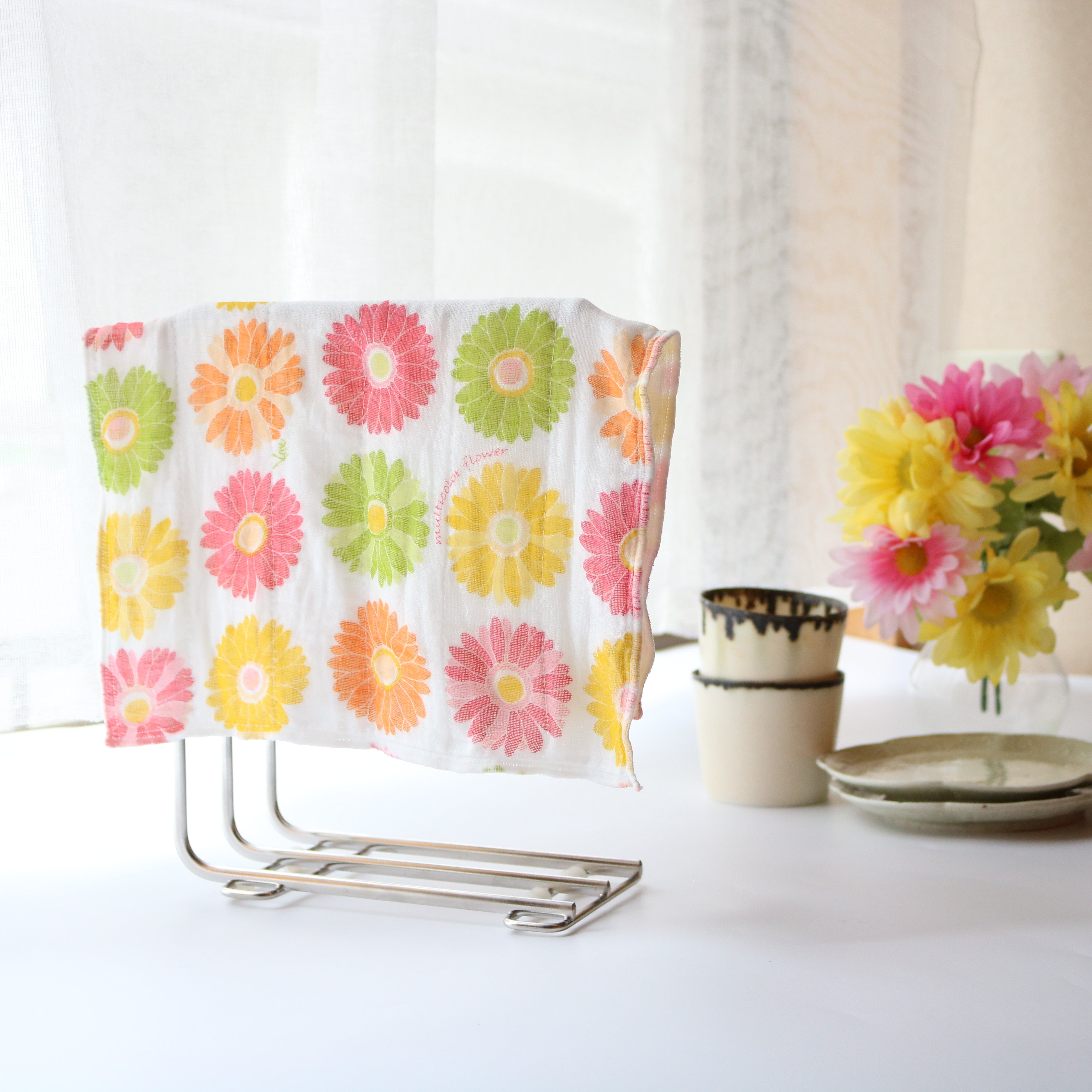
Hold a Shirayuki cloth to the light and you can see the openness of the weave. Eight thin layers pull water in quickly, then allow moisture to release back into the air between uses. This way moisture doesn't linger, keeping bacteria at bay.
Choose your favorite patterns while they are in stock.
The smartest first order is a full kitchen rotation
Because Shirayuki ships directly from Japan, smaller orders can make international postage feel disproportionate. That is why most customers get the best value by building an $85+ rotation and unlocking free worldwide shipping.
Dish cloths
Keep a few dedicated to clean dishes, glassware, and drying hands without mixing them with messier counter jobs.
Cleanup cloths
Use separate cloths for counters, spills, and everyday kitchen messes so there is always a fresh one ready.
$85+ ships free
Build your rotation in one order and skip the disproportionate postage cost that can make smaller orders less worthwhile.
Watch it let go of the water
Most towels hold what they soak up. A Shirayuki kaya cloth absorbs quickly, then wrings nearly dry. That is the practical secret behind a cloth that stays fresher between washes.

Popular patterns can sell out before restocks arrive from Japan.
Small cloth, noticeable difference
Shirayuki was made for the everyday kitchen jobs that happen over and over again.
Absorbs quickly
Use it for dishes, hands, counters, and small spills without feeling like you are just pushing water around.
Dries fast between uses
The breathable layered weave helps prevent the lingering dampness that leads to sour towel smell.
Softens after washing
Each cloth arrives crisp from traditional starching, then becomes softer, textured, and more absorbent after washing.
Beautiful enough to leave out
Traditional Japanese patterns make the cloth feel like part of your kitchen, not something to hide under the sink.
Not microfiber
For people who dislike the synthetic, grabby feel of microfiber, Shirayuki offers a softer everyday alternative.
Made for daily use
Lightweight, wringable, and useful for the little cleanups that happen all day in a real kitchen.
Assign cloths by job: dishes, counters, hands, spills, and backups.
Shirayuki vs. ordinary kitchen cloths
"After trying countless well-known dishcloths in search of the perfect one, I’ve finally found it. This cloth handles red wine, kimchi, hot sauce, soy sauce—everything I use daily—and yet, after washing, there is never any lingering smell or stain. It dries incredibly fast even when soaked."
Loved by people who actually use them every day
The patterns get attention first. The performance is why customers come back for more.
"Bought these, not expecting much but hoping. Have the Swedish kitchen cloths (disappointed). These are fantastic, I am purchasing more."
— Vicki, verified customer"This kitchen cloth is the best! I will never go back to sponges after this! Cleans effectively, rinses clean every time and dries fast."
— Felicity, verified customer"The cloths are like faithful friends around the kitchen and elsewhere. They’re both cute and practical!"
— Bonnie, verified customer"The fabric is soft and dries fast. Perfect kitchen towel. Love the colorful prints."
— Barbara, verified customer"Always a pleasure to use — soft, washes out well and drys quickly. Looks smart out on the bench."
— Kaye, verified customer"These towels are amazing! I purchased the kitchen bundle for Christmas and they have become my go to towel!"
— Connie, verified customerIf you see a design you love, it may not be available by the next restock.
One more reason to build your rotation now
Shirayuki patterns are not stocked like mass-produced towels at a big-box store. Popular designs can sell out, and because they come from Japan, restocks are not always immediate.
Kaya is a centuries-old Japanese weave, originally used for mosquito netting: breathable, light, and strong. Shirayuki cloths are woven in Nara, Japan and dyed using the Kyo-Yuzen technique developed for Kyoto kimonos.
Build the rotation once. Use it every day.
The best way to experience Shirayuki is not with one lonely cloth. It is with a proper kitchen rotation: dishes, counters, hands, spills, and fresh backups ready when you need them.
"I bought 6 of them... it has never taken on a bad odor."
— Amma Gee, verified customer"I bought so many of the designs so I’ll always have them handy."
— Bonnie, verified customer"I can’t wait to purchase another bundle in a different pattern!"
— Connie, verified customerTip: Wash before first use to remove the traditional starch finish. Air dry to maintain size and texture.
What To Expect When Your Shirayuki Cloths Arrive
Why does it feel crisp at first?
Each cloth arrives with a traditional starch finish. Wash before use and it will soften, shrink slightly, and develop its signature textured feel.
Is it microfiber?
No. Shirayuki Kitchen Cloths are not plastic microfiber cloths. They are soft, lightweight kitchen cloths made for people who want absorbency without the synthetic microfiber feel.
Is it like Swedish dishcloths or reusable paper towels?
No. Shirayuki is not a sponge cloth or a paper towel substitute. It is a soft, woven Japanese kitchen cloth designed for everyday wiping, drying, rinsing, and wringing.
Will it replace every towel in my kitchen?
It can replace most daily-use cloths for dishes, counters, hands, and small spills. For hot cookware or oven work, keep using a proper thick towel or mitt.
How many should I order?
For international orders, the best value is usually an $85+ kitchen rotation because it unlocks free worldwide shipping. That gives you enough cloths to assign by job and always have fresh backups ready.
Why does it cost more than a bulk pack?
Because it is not trying to be a disposable towel. Shirayuki is a better-made daily-use cloth designed to stay useful, beautiful, and fresh-feeling longer.
How should I use a kitchen rotation?
Keep separate cloths for dishes, counters, hands, and general spills. This keeps your kitchen routine cleaner and makes sure there is always a fresh cloth ready when you need one.